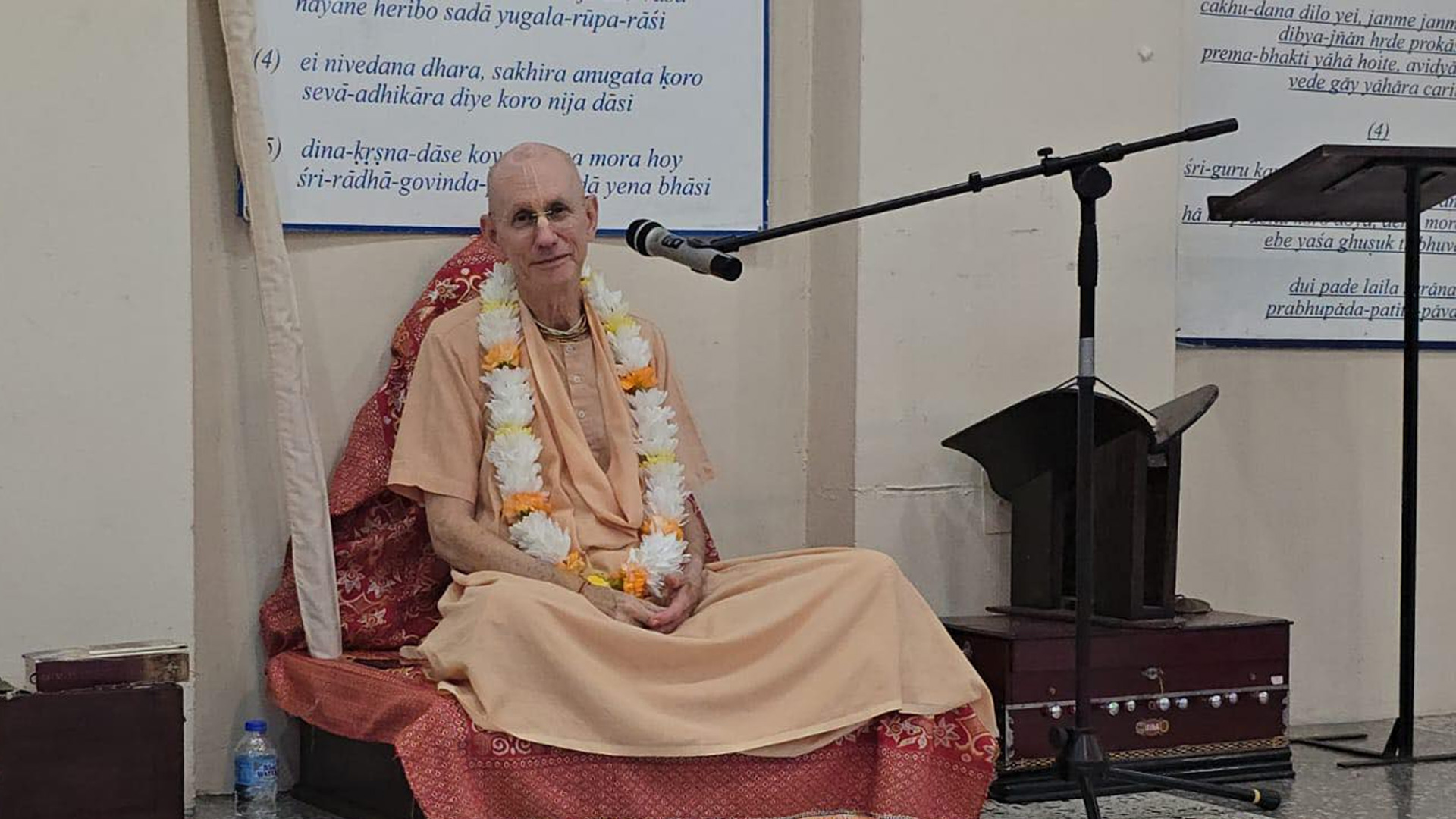
Part I: The Formative Years
The Dawn of Realization and the Search for Absolute Truth
Born into an era characterized by rapid technological advancement and simultaneously profound existential questioning, the early life of Guruprasad Swami was marked by an intense, almost relentless search for the underlying meaning of human existence. While his contemporaries pursued conventional metrics of success—academic accolades, corporate ladders, and material accumulation—he found himself deeply dissatisfied with the superficial answers provided by modern secular paradigms. His formative years were spent rigorously studying a vast array of Western philosophies, from the existentialism of Sartre to the transcendentalism of Emerson, yet the fundamental question remained unanswered: What is the ultimate purpose of consciousness?
This intellectual dissatisfaction acted as a catalyst, propelling him toward the ancient wisdom traditions of the East. The turning point in this spiritual odyssey occurred upon his encounter with the *Bhagavad-gita As It Is*, translated and purposed by His Divine Grace A.C. Bhaktivedanta Swami Prabhupada. The text offered not merely an abstract, speculative philosophy, but a rigorous, systematic science of self-realization (Vijnana). It mathematically delineated the difference between the perishable material tabernacle (the body) and the eternal spiritual spark (the soul), resolving the dichotomies that had long plagued Western philosophical thought.
Historical Context: The Spiritual Vacuum of the Mid-20th Century
To understand the magnitude of his realization, one must analyze the sociological climate of the era. The post-industrial society had successfully provided unprecedented material comfort, yet sociological data indicated a sharp rise in alienation, depression, and existential dread (often termed the 'crisis of modernity'). The introduction of authentic, unbroken Vedic lineage (Parampara) offered a robust counter-narrative to materialistic determinism. Guruprasad Swami recognized that the solution to global crises was not merely political or economic, but fundamentally spiritual—a shift in consciousness from exploitation to devotion.

The Refiner's Fire
"Authentic spiritual life begins where our material comfort zones end. The ashram is the crucible where the ego is dismantled, allowing the true self to emerge luminous."
Part II: The Crucible of the Ashram
Rigorous Discipline and the Vow of Renunciation
Theoretical knowledge, unapplied, holds little transformative power. Upon accepting the authority of the Vedic path, Guruprasad Swami entered into ashram life, subjecting himself to rigorous spiritual austerity (Tapasya). This period was defined by early morning rising (before 4:00 AM), intensely focused mantra meditation (Japa), extensive study of Sanskrit scriptures, and menial service designed to cultivate absolute humility. Sociological analyses of monastic training emphasize that such environments are meticulously engineered to deconstruct the false ego, stripping away socially conditioned identities to reveal the core spiritual personality.
His unwavering dedication, profound philosophical grasp, and impeccable character naturally positioned him as a leader within the community. However, leadership in the Gaudiya Vaishnava tradition is antithetical to corporate ambition; it is defined strictly by the capacity to serve. Recognizing his profound gravity and commitment, he was awarded the renounced order of life—*Sannyasa*.
The Sannyasa Paradigm
The Sannyasa order is not an escape from reality, but an absolute immersion into it. Historically, the Sannyasi acts as the spiritual preceptor for society, owning nothing, and dedicating 100% of their life energy toward traveling, preaching, and counseling. By taking this vow, Guruprasad Swami made the ultimate declaration of faith: severing all safety nets of material security to depend entirely on the divine will, ensuring his motives remain universally altruistic.
Case Study: Institutional Trust
Leadership experts note that trust is the currency of influence. By adopting an ascetic lifestyle while managing multi-million dollar international projects, Guruprasad Swami eliminated the conflict of interest that plagues modern institutions. His personal impoverishment juxtaposed with his institutional wealth-generation for the public good forms the ultimate case study in 'Servant Leadership.'
Part III: A Vision Realized
Global Architecture of Consciousness
Equipped with profound realization and unshakeable institutional backing, Guruprasad Swami commenced a relentless global mission. His approach to spiritual dissemination (preaching) is highly analytical and context-sensitive. Rather than imposing monolithic cultural practices, he excels at extracting the universal, non-sectarian essence of Sanatana Dharma and presenting it in a language tailored to diverse geopolitical and demographic realities—from the sophisticated academic halls of Europe to the vibrant, dynamic communities of Latin America.
Through his leadership within the Governing Body Commission (GBC), he has architected frameworks that ensure the sustainable expansion of the movement. He has overseen the establishment of self-sufficient eco-villages demonstrating sustainable living, massive urban temple complexes that serve as oases of tranquility, and vast educational initiatives that train the next generation of thought leaders. His life's work stands as unassailable proof that ancient spiritual technologies possess absolute, empirical relevance in neutralizing the specific pathologies of the modern age.